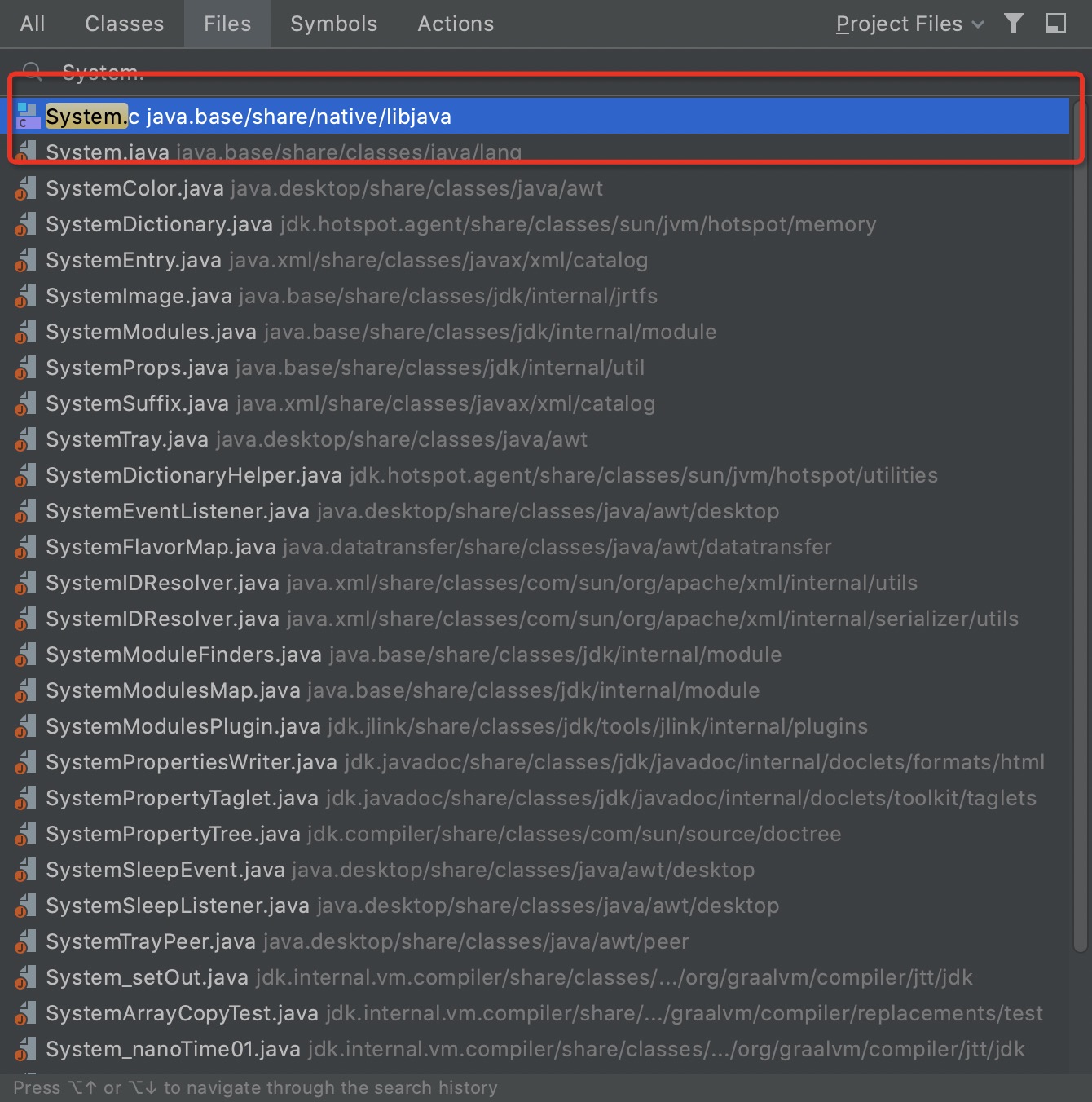
1
2
3
4
5
6
7
8
9
10
11
12
13
14
15
16
17
18
19
20
21
22
23
24
25
26
27
28
29
30
31
32
33
34
35
36
37
38
39
40
41
42
43
44
45
46
47
48
49
50
51
52
53
54
55
56
57
58
59
60
61
62
63
64
65
66
67
68
69
70
71
72
73
74
75
76
77
78
79
80
81
82
83
84
85
86
87
88
89
90
91
92
93
94
95
96
97
98
99
100
101
102
103
104
105
106
107
108
109
110
111
112
113
114
115
116
117
118
119
120
121
122
123
124
125
126
127
128
129
130
131
132
133
134
135
136
137
138
139
140
141
142
143
144
145
146
147
148
149
150
151
152
153
154
155
156
157
158
159
160
161
162
163
164
165
166
167
168
169
170
171
172
173
174
175
176
177
178
179
180
181
182
183
184
185
186
187
188
189
190
191
192
193
194
195
196
197
198
| ------------前置代码-------
typedef struct {
char *name;
char *signature;
void *fnPtr;
} JNINativeMethod;
struct JNIEnv_;
#ifdef __cplusplus
typedef JNIEnv_ JNIEnv;
#else
typedef const struct JNINativeInterface_ *JNIEnv;
#endif
-------------正式代码开始------------
#define OBJ "Ljava/lang/Object;"
static JNINativeMethod methods[] = {
{"currentTimeMillis", "()J", (void *)&JVM_CurrentTimeMillis},
{"nanoTime", "()J", (void *)&JVM_NanoTime},
{"arraycopy", "(" OBJ "I" OBJ "II)V", (void *)&JVM_ArrayCopy},
};
#undef OBJ
JNIEXPORT void JNICALL
Java_java_lang_System_registerNatives(JNIEnv *env, jclass cls)
{
(*env)->RegisterNatives(env, cls,
methods, sizeof(methods)/sizeof(methods[0]));
}
-----------------其他代码补充----------
struct JNINativeInterface_ {
.....
jint (JNICALL *RegisterNatives)
(JNIEnv *env, jclass clazz, const JNINativeMethod *methods,
jint nMethods);
......
}
struct JNIEnv_ {
const struct JNINativeInterface_ *functions;
.......
#ifdef __cplusplus
jint RegisterNatives(jclass clazz, const JNINativeMethod *methods,
jint nMethods) {
return functions->RegisterNatives(this,clazz,methods,nMethods);
}
.......
#endif
}
....
#include "runtime/interfaceSupport.inline.hpp"
.....
struct JNINativeInterface_ jni_NativeInterface = {
....
jni_RegisterNatives,
......
}
JNI_ENTRY(jint, jni_RegisterNatives(JNIEnv *env, jclass clazz,
const JNINativeMethod *methods,
jint nMethods))
JNIWrapper("RegisterNatives");
HOTSPOT_JNI_REGISTERNATIVES_ENTRY(env, clazz, (void *) methods, nMethods);
jint ret = 0;
DT_RETURN_MARK(RegisterNatives, jint, (const jint&)ret);
Klass* k = java_lang_Class::as_Klass(JNIHandles::resolve_non_null(clazz));
for (int index = 0; index < nMethods; index++) {
const char* meth_name = methods[index].name;
const char* meth_sig = methods[index].signature;
int meth_name_len = (int)strlen(meth_name);
TempNewSymbol name = SymbolTable::probe(meth_name, meth_name_len);
TempNewSymbol signature = SymbolTable::probe(meth_sig, (int)strlen(meth_sig));
if (name == NULL || signature == NULL) {
ResourceMark rm;
stringStream st;
st.print("Method %s.%s%s not found", k->external_name(), meth_name, meth_sig);
THROW_MSG_(vmSymbols::java_lang_NoSuchMethodError(), st.as_string(), -1);
}
bool res = Method::register_native(k, name, signature,
(address) methods[index].fnPtr, THREAD);
if (!res) {
ret = -1;
break;
}
}
return ret;
JNI_END
........
bool Method::register_native(Klass* k, Symbol* name, Symbol* signature, address entry, TRAPS) {
Method* method = k->lookup_method(name, signature);
if (method == NULL) {
ResourceMark rm(THREAD);
stringStream st;
st.print("Method '");
print_external_name(&st, k, name, signature);
st.print("' name or signature does not match");
THROW_MSG_(vmSymbols::java_lang_NoSuchMethodError(), st.as_string(), false);
}
if (!method->is_native()) {
method = find_prefixed_native(k, name, signature, THREAD);
if (method == NULL) {
ResourceMark rm(THREAD);
stringStream st;
st.print("Method '");
print_external_name(&st, k, name, signature);
st.print("' is not declared as native");
THROW_MSG_(vmSymbols::java_lang_NoSuchMethodError(), st.as_string(), false);
}
}
if (entry != NULL) {
method->set_native_function(entry, native_bind_event_is_interesting);
} else {
method->clear_native_function();
}
if (log_is_enabled(Debug, jni, resolve)) {
ResourceMark rm(THREAD);
log_debug(jni, resolve)("[Registering JNI native method %s.%s]",
method->method_holder()->external_name(),
method->name()->as_C_string());
}
return true;
}
|